
A Case Study: Assabet Co-op Market (Maynard, Massachusetts)
History & Beginnings
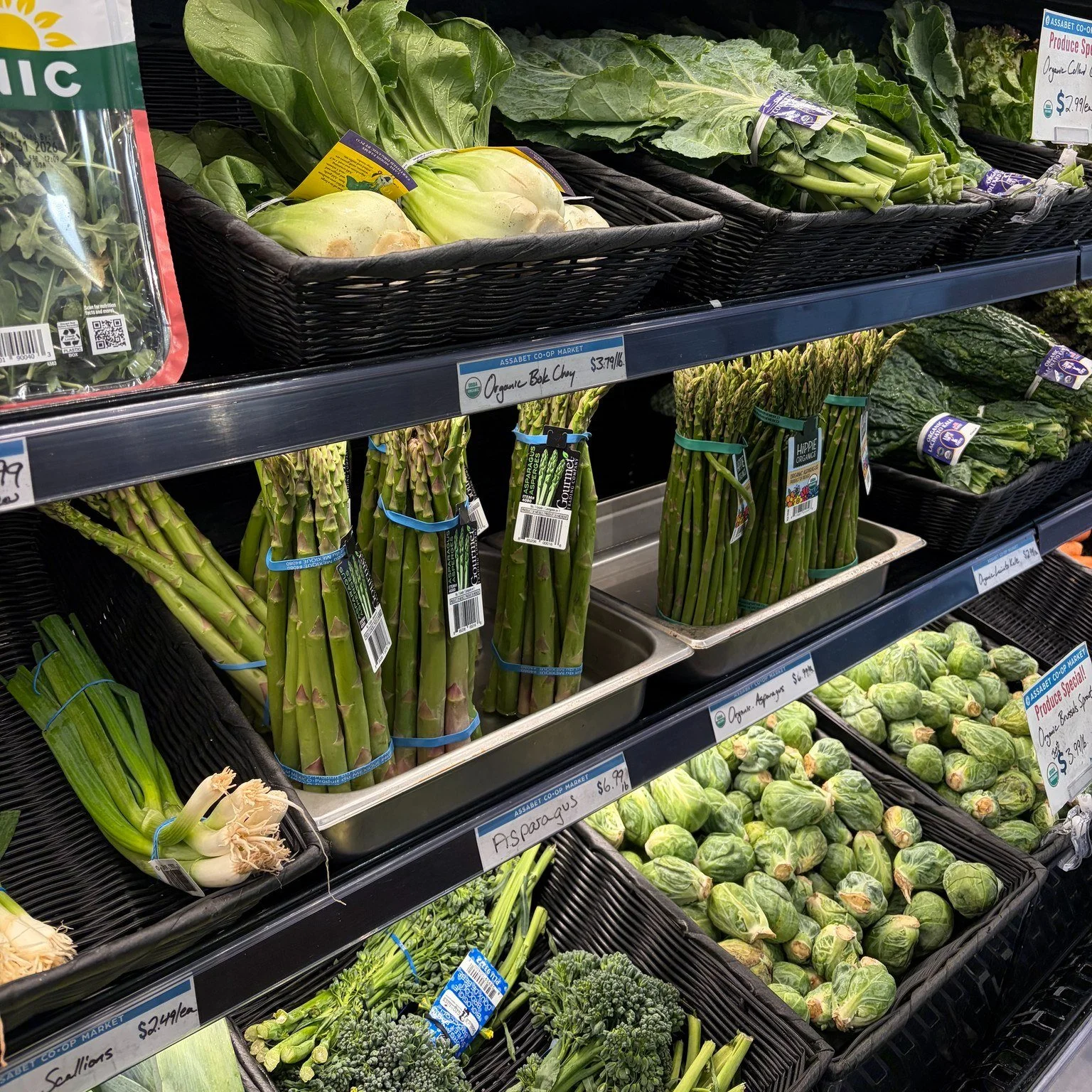
The idea began in 2012, when a small group of people met to explore opening a food co-op in Maynard. (Assabet Co-op Market)
Over the next few years they sold memberships (owners shares), raised seed money from community members, and received a grant from Food Co-op Initiative. (Assabet Co-op Market)
In June 2015, they did a market study. It showed that Maynard was well located: surrounded by farms, with towns nearby that valued local food, and good access by roads. (Assabet Co-op Market)
They planned a store size of about 6,000–10,000 square feet, enough to be a full-service grocery store with parking. (Co+op)
After many years of planning, fundraising, outreach, and overcoming cost challenges, the store opened on May 31, 2023, with over 2,200 owners (people who bought member-ownerships). (Assabet Co-op Market)
How It Supports the Community
1. Local Ownership & Participation
Member-ownership allows local people to own a part of the store. Owners can vote on decisions, help shape policies, and share in benefits. (The Concord Bridge)
Over 40 towns are involved. Owners aren’t just from Maynard. (Columinate)
2. Supporting Local Farms and Producers
Many products come from farms within about 100 miles of Maynard. Local producers supply produce, meat, drinks, etc. (The Concord Bridge)
3. Accessibility & Affordability
The co-op accepts SNAP and WIC benefits so low-income families can shop there. (The Concord Bridge)
They also created programs to make membership more accessible, and they avoid overpromising so people’s expectations align with reality. (Columinate)
4. Strong Community Engagement
The co-op has done outreach for many years: hundreds of tables at farmers’ markets, festivals, and community events.
Owners were invited to tours of the store under construction, so people felt part of the process.
5. Adaptation and Persistence
They faced big cost increases because of inflation, supply chain delays, etc. (Columinate)
They ran special fundraising campaigns like “Bridge the Gap” and owner loans to close funding shortfalls. (Columinate)
Lessons for Big River Grocery
Start early and build ownership: Assabet shows that having many members/owners before opening builds trust and community momentum.
Clear communication: Be clear about what the store will be, and what it won’t yet be. Avoid being mistaken for just a small market or CSA if planning a full grocery store.
Local sourcing matters: Prioritize buying from nearby farmers and producers. People appreciate knowing where food comes from.
Make it accessible: Accept SNAP/WIC, offer affordable membership fees (or payment plans), and consider subsidized membership for those with less money.
Strong community involvement: Outreach, tours, visuals, being present in community events, and showing steady progress help people feel invested.
Prepare for unexpected costs: Be ready for inflation, supply chain delays, or construction cost overruns. Having contingency funds and creative fundraising strategies helps.